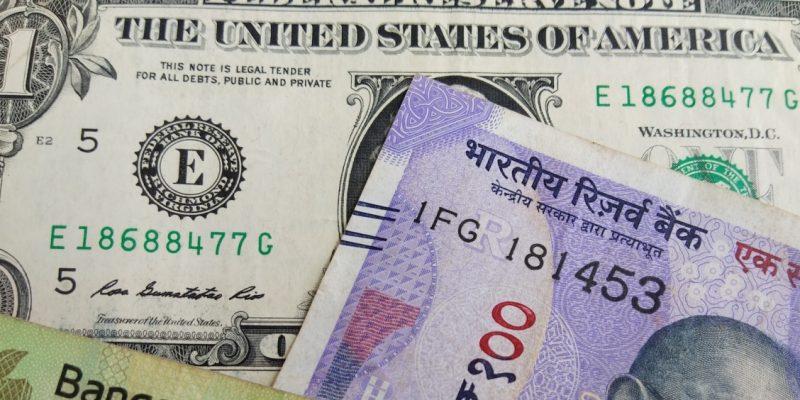
The Indian rupee has recently hit a record low against the US dollar, causing concern among economists and investors alike. As of November 6, 2024, the rupee closed at 83.57, marking a significant decline. This depreciation is attributed to various economic factors and geopolitical events that have created a challenging environment for the currency.
Factors Contributing to the Decline
Several key factors have led to the rupee’s record low:
- Strengthening US Dollar: The US dollar has been gaining strength globally, impacting many currencies, including the Indian rupee. As the dollar index rose above 105.20, it has outperformed 22 of the top 23 Asian currencies this month[1][2].
- Inflationary Pressures: Persistent inflation in India has put additional strain on the rupee. High inflation rates can lead to reduced purchasing power and increased costs for consumers and businesses alike[1][4].
- Rising Crude Oil Prices: India is heavily reliant on imported crude oil, and rising oil prices can negatively impact the economy. Higher oil costs increase import bills, leading to a trade deficit that can further weaken the rupee[2][3].
- Geopolitical Uncertainties: Ongoing geopolitical tensions and uncertainties surrounding global economic policies have added to market anxieties. Investors are particularly concerned about the upcoming US Federal Reserve policy decisions and their potential impact on global markets[1][3].
- Foreign Fund Outflows: There has been significant outflow of foreign funds from Indian stock markets, which has also contributed to the rupee’s decline. Investors are cautious amid fluctuating market conditions, leading them to withdraw investments[2][4].
Market Reactions
The market response to the rupee’s decline has been mixed. Traders are closely monitoring the situation, with many predicting further depreciation if key economic indicators do not show improvement. Some analysts believe that if current trends continue, the rupee could potentially drop to 83.72 against the dollar[1][2].
Table: Recent Performance of INR against USD
| Date | USD/INR Rate | Change |
|---|---|---|
| Nov 4, 2024 | 83.50 | -0.10 |
| Nov 5, 2024 | 83.57 | -0.07 |
| Nov 6, 2024 | 84.23 | -0.66 |
Reserve Bank of India’s Role
The Reserve Bank of India (RBI) plays a crucial role in stabilizing the currency. Recently, it has adopted a less aggressive stance in intervening in forex markets compared to previous strategies aimed at curbing volatility[1][3]. This shift has raised questions about potential new policies or a strategic reserve buildup.
The RBI typically intervenes by selling US dollars to support the rupee when it falls too rapidly. However, with ongoing pressures from external factors, its ability to stabilize the currency may be limited.
Implications for Investors
The record low of the Indian rupee has several implications for investors:
- Cautious Investment Strategies: Investors may adopt more cautious strategies as they navigate through economic uncertainties.
- Impact on Imports and Exports: A weaker rupee makes imports more expensive while potentially benefiting exporters by making their goods cheaper for foreign buyers.
- Inflation Concerns: Rising import costs can contribute to domestic inflation, impacting consumer spending and overall economic growth.
Frequently Asked Questions (FAQs)
What does it mean when the rupee hits a record low?
When the Indian rupee hits a record low against another currency like the US dollar, it means that it takes more rupees to buy one dollar than ever before. This can indicate economic instability or unfavorable market conditions.
What are some factors that influence currency value?
Several factors influence currency value, including:
- Inflation rates
- Interest rates set by central banks
- Political stability
- Economic performance indicators
- Trade balances
How does a weaker rupee affect everyday life?
A weaker rupee can lead to higher prices for imported goods, including fuel and electronics. It can also increase inflation rates, affecting purchasing power and living costs for consumers.
What actions can the RBI take to stabilize the rupee?
The RBI can intervene in foreign exchange markets by buying or selling currencies to influence exchange rates. It can also adjust interest rates to manage inflation and attract foreign investment.
Conclusion
The Indian rupee’s decline to a record low against the US dollar highlights significant economic challenges facing India today. Factors such as a strengthening dollar, high inflation, rising oil prices, geopolitical uncertainties, and foreign fund outflows are all contributing to this situation. As investors remain cautious and watchful of future developments, it is clear that both policymakers and market participants will need to navigate carefully through these turbulent times.
Understanding these dynamics is crucial for anyone looking to invest or engage with India’s economy in this challenging environment.
Also Read:
Elcid Investments: The Stock That Turned ₹1 Lakh into ₹670 Crore in Just Months

BBR is largest active consumer community. Amplifying consumer voice since 2018.

1 thought on “Indian rupee hits record low”